How AI Solutions for Retail Are Revolutionizing Modern Shopping

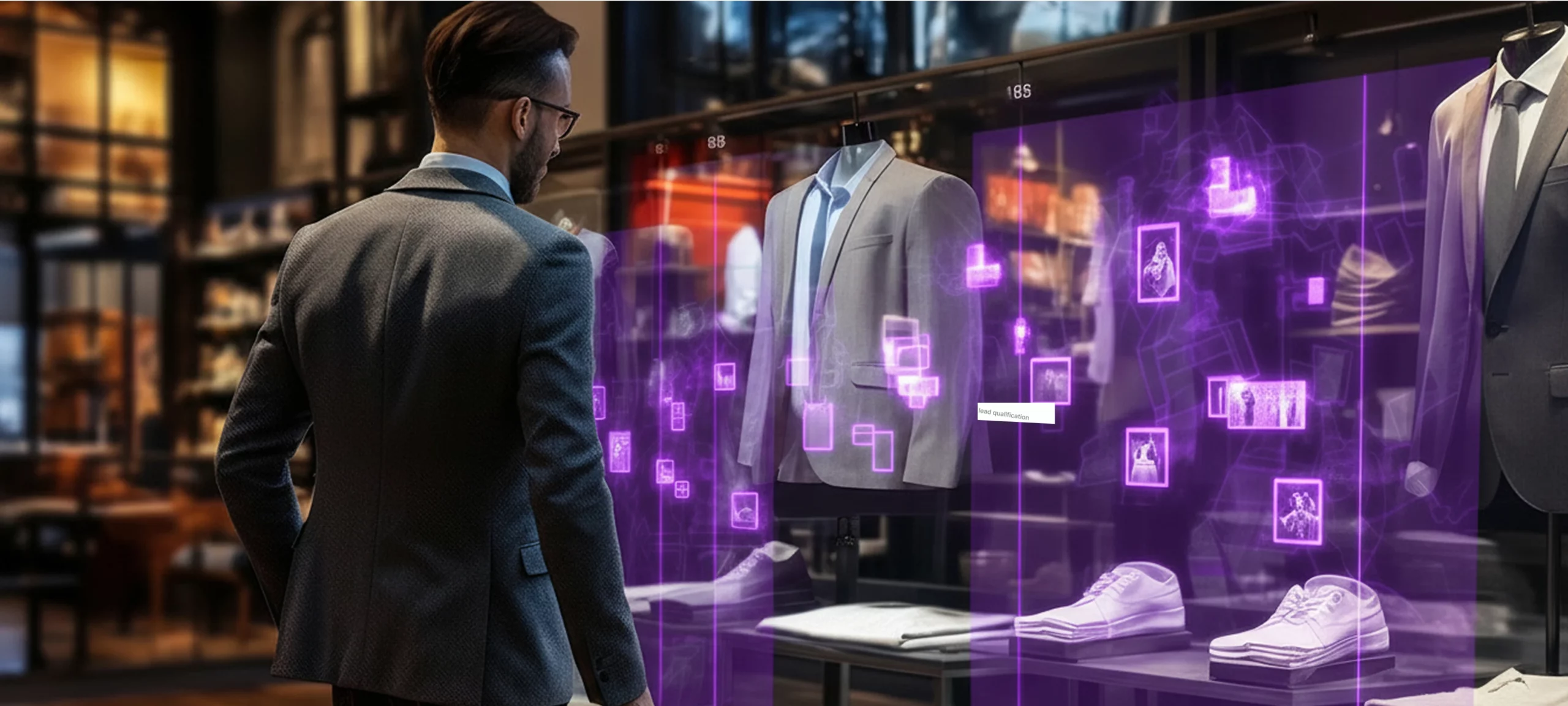
Retail has entered a new era. AI solutions for retail are transforming customer interactions and operational efficiency, with the global AI retail market growing from $31.12 billion in 2024 to a projected $164.74 billion by 2030. This explosive growth reflects one reality: retailers embracing AI are outpacing competitors.
The numbers tell a compelling story. Companies using AI-driven personalization see revenue increases as much as 10% faster, while 69% of retailers report positive impact on annual revenue from AI implementation. For retailers still operating with traditional methods, the gap widens daily.
The Evolution of AI Solutions for Retail
Modern AI solutions for retail extend far beyond simple chatbots. Today’s systems analyze customer behavior, predict trends, and automate complex decisions in real-time. AI agents began handling complex retail operations autonomously, from managing supply chains to personalizing customer interactions.
These autonomous systems represent a fundamental shift. Unlike reactive tools, modern retail AI proactively identifies opportunities, prevents problems, and optimizes operations continuously. The result transforms every touchpoint in the customer journey.
Core AI Applications Transforming Retail Operations
Intelligent Personalization at Scale
By using GenAI for personalized recommendations, Amazon boosts its purchases by 35%. This success stems from AI’s ability to analyze vast datasets and deliver hyper-targeted experiences.
Modern personalization engines process browsing behavior, purchase history, demographic data, and real-time context to create unique experiences for each customer. These systems adapt continuously, learning from every interaction to improve future recommendations.
Predictive Inventory Management
Using AI for inventory management in retail can cut down demand forecasting mistakes by half. Smart inventory systems analyze historical data, market trends, weather patterns, and social media signals to predict demand with unprecedented accuracy.
This precision prevents costly overstocking and eliminates lost sales from stockouts. Retailers using AI inventory management report significant improvements in cash flow and customer satisfaction.
Advanced Customer Service Automation
Nearly 65% of customers actually prefer talking to a chatbot as the first line of customer service rather than waiting for a human agent. Modern AI customer service goes beyond answering questions—it resolves issues, processes returns, and handles complex transactions autonomously.
These systems understand context, emotion, and intent, providing human-like interactions that satisfy customers while reducing operational costs.
Visual Search and Product Discovery
AI-powered visual search tools changed how consumers discovered products. Customers can now photograph items and find similar products instantly across entire catalogs.
This technology eliminates the frustration of describing products with words, enabling intuitive discovery that drives higher conversion rates.
The Business Impact of Retail AI Solutions
Revenue Growth Through Enhanced Experiences
Retailers that use AI for everyday work optimization report up to 30% increase in conversion rates. This improvement stems from AI’s ability to optimize every customer interaction for maximum engagement and sales potential.
Smart pricing algorithms adjust prices dynamically based on demand, competitor analysis, and customer behavior. Product recommendation engines surface relevant items precisely when customers are most likely to buy.
Operational Efficiency Gains
AI and other new technologies are thought to enhance retail efficiency by almost 60% up to 2035. Current implementations already demonstrate significant improvements in labor productivity and process optimization.
Automated workforce scheduling optimizes staffing based on predicted traffic patterns. Supply chain optimization reduces logistics costs while improving delivery times. Quality control systems identify defects faster and more accurately than human inspection.
Risk Reduction and Fraud Prevention
AI solutions for retail continuously monitor transactions, identifying suspicious patterns and preventing fraud in real-time. These systems protect both retailers and customers while minimizing false positives that could damage customer relationships.
Predictive analytics identify at-risk customers, enabling proactive retention efforts before churn occurs. This approach proves more cost-effective than reactive customer acquisition strategies.
Real-World Success Stories
Amazon’s AI-Driven Transformation
According to Salesforce, AI generated a 17% influence over U.S. online purchases during the holidays. Amazon’s comprehensive AI implementation spans recommendations, logistics, pricing, and customer service.
Their success demonstrates how integrated AI solutions create compound benefits across all business functions.
Walmart’s Smart Operations
Sam’s Club has introduced AI exit technology to all its U.S. locations to reduce waiting times and improve efficiency. This implementation shows how AI improves the physical shopping experience while reducing operational costs.
Walmart’s AI initiatives also include automated inventory scanning, demand forecasting, and supply chain optimization, creating a comprehensive smart retail ecosystem.
Implementation Strategies for AI Solutions in Retail
Start with High-Impact Use Cases
Successful AI implementation begins with identifying processes that generate immediate value. Customer service automation, inventory optimization, and personalized marketing typically provide the fastest returns on investment.
Focus on areas where AI can address specific pain points or unlock new revenue streams. This targeted approach builds momentum for broader transformation initiatives.
Integrate Across Channels
The omnichannel segment dominated the market with a significant revenue share in 2024. Modern customers expect consistent experiences across all touchpoints, requiring AI systems that work seamlessly across online, mobile, and physical channels.
Unified customer data platforms enable AI to maintain context across all interactions, creating truly personalized omnichannel experiences.
Scale Gradually with Proven Technologies
Begin with established AI solutions that integrate easily with existing systems. Cloud-based platforms reduce implementation complexity while providing access to cutting-edge capabilities.
Partner with experienced providers who understand retail-specific challenges and can provide ongoing support as your AI capabilities expand.
Choosing the Right AI Partner for Retail Transformation
Successful retail AI implementation requires expertise in both technology and retail operations. Look for partners who demonstrate proven success with similar retailers and understand your specific challenges.
Isometrik AI specializes in retail-focused AI solutions that integrate seamlessly with existing operations. Our platform provides the personalization engines, customer service automation, and predictive analytics capabilities that modern retailers need to compete effectively.
Taking Action: Your AI Retail Transformation
The retail industry reaches a pivotal moment. 52% of all retailers opt for a hybrid approach when implementing AI, combining internal capabilities with external expertise to accelerate transformation.
This balanced approach minimizes risk while maximizing the speed of implementation and value realization.
AI solutions for retail represent more than technological advancement, they enable fundamental improvements in how retailers serve customers and operate businesses. Companies that embrace these capabilities now create sustainable competitive advantages that compound over time.
Ready to transform your retail operations with AI? Isometrik AI provides the expertise and technology solutions you need to succeed in the AI-driven retail landscape. Contact us to discuss how our retail AI platform can accelerate your digital transformation and drive measurable business results.